
Interior Designer vs. Decorator vs. Showroom: Who Actually Does What You Need in Boulder?

Plan a remodel in Boulder, and within a week you'll likely meet all three: the interior designer, the decorator, and the showroom "kitchen designer" whose services come free with the cabinetry. While they all use the word design, they represent three very different professions, are paid in three different ways, and deliver three very different outcomes. Understanding the interior designer vs decorator vs showroom distinction is essential, because choosing the wrong professional for your project can become one of the most expensive mistakes a homeowner makes—often without realizing it until it's too late.
Here is who actually does what, without the marketing haze.
The Decorator: The Finishing Eye
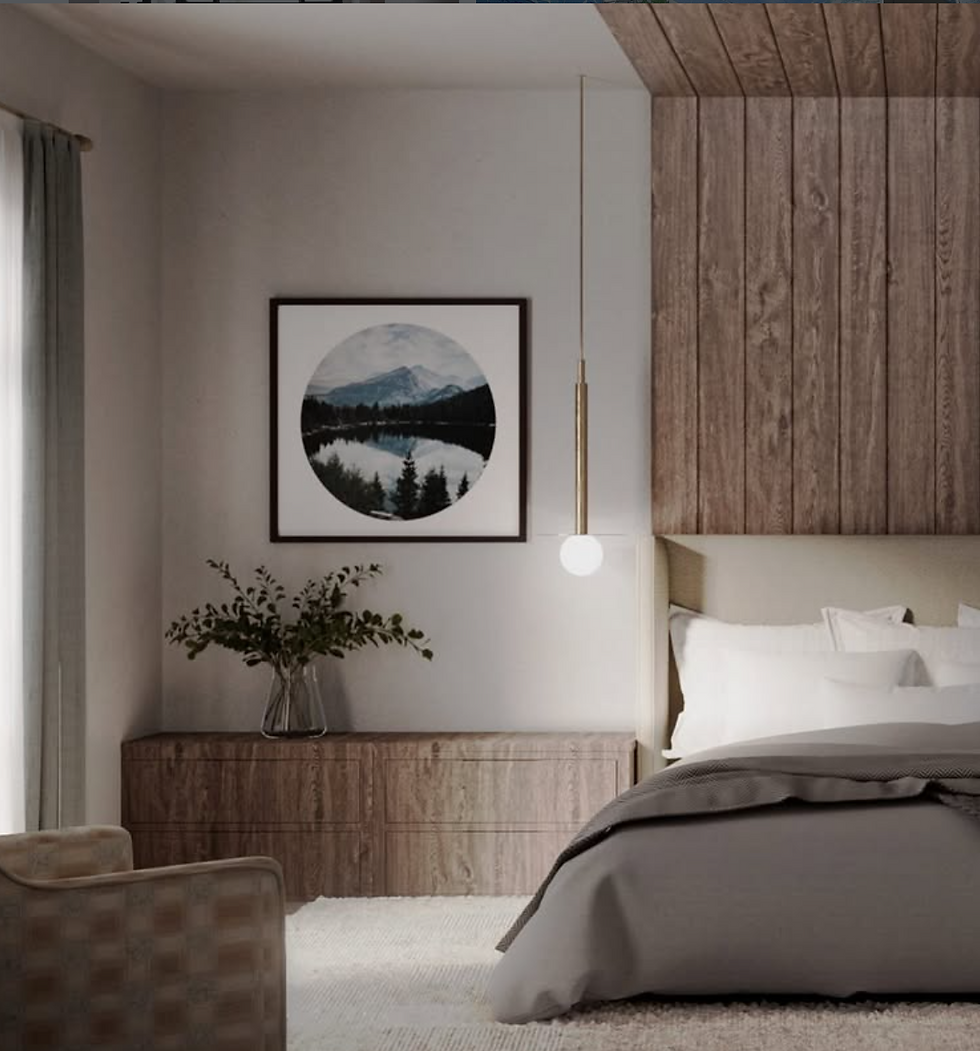
A decorator works with what your home already is. Furnishings, color, textiles, styling — the visible, movable layer of a home. For a house whose architecture already works, a talented decorator delivers real transformation. What a decorator does not do is touch the structure of how your home functions: layouts, cabinetry design, lighting plans, construction drawings, or the long negotiation with contractors and building departments. We covered this distinction in depth in our guide to decorators versus interior designers.
The Showroom Kitchen Designer: The Product Expert
Walk into a kitchen showroom and you will be paired with a kitchen designer — often free, sometimes attached to a modest deposit. Many are skilled and sincere. But understand how the room works: a showroom designer earns a living by selling you cabinetry. Every drawing they produce is, structurally, a proposal for the product line behind them. The layouts will be competent. The cabinetry may be lovely. And the thinking will end, as it must, at the edge of what the showroom sells.
This matters in two directions. First, creativity: a showroom process is built to configure boxes efficiently, not to ask whether your kitchen wants a library ladder, a hidden pantry, or a window where a cabinet was supposed to go. Second, scope: your kitchen does not exist in a vacuum. It flows into rooms with drapery, rugs, furniture, art, and lighting — and a showroom will sometimes offer to take those on, without access to the trade-only furnishing, textile, and drapery sources that finished rooms at this level require.
The Interior Designer: The Whole Picture

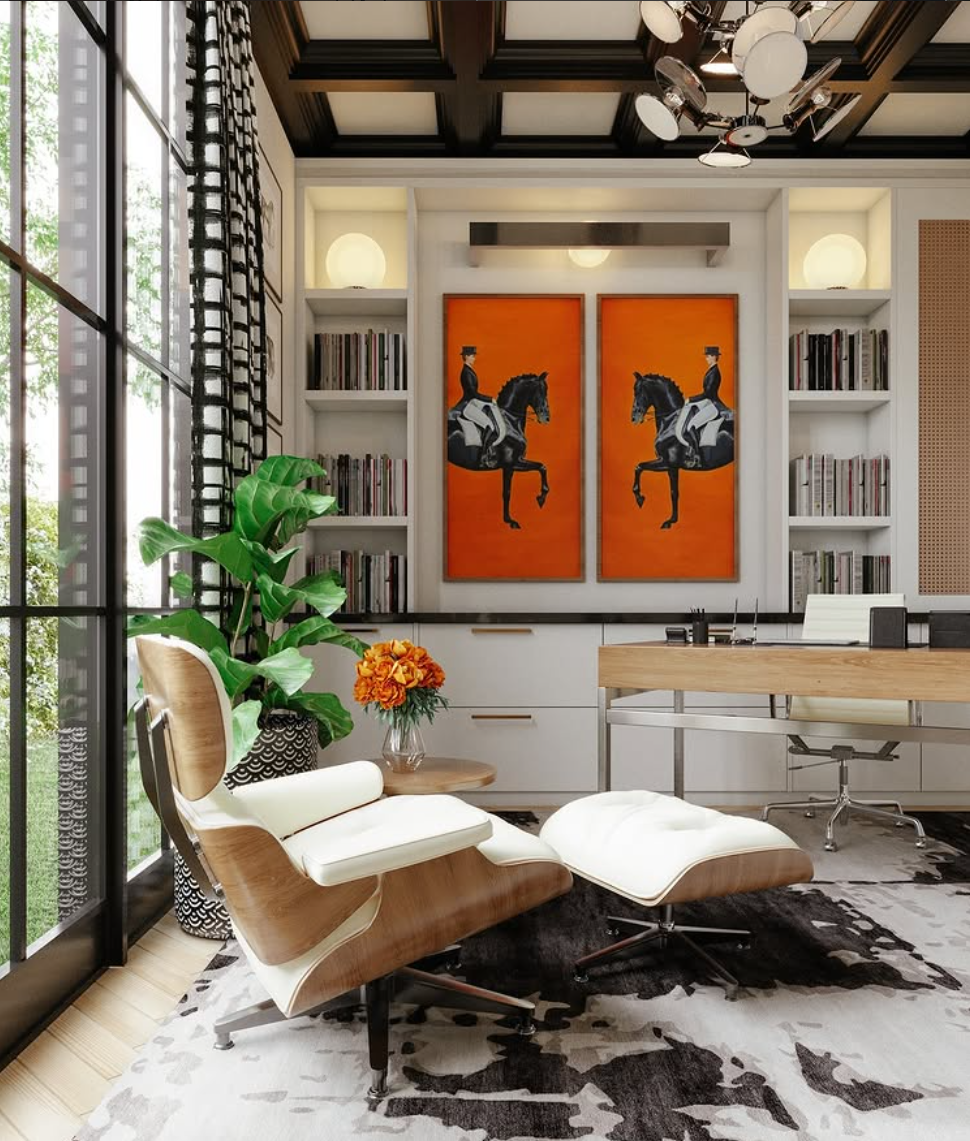
A trained interior designer is paid for design itself — which frees the thinking to serve only you and your home. The designer's product is the fully resolved project: layout, cabinetry, stone, lighting, drapery, rugs, furnishings, and the drawings and coordination that carry it all through construction.
Here is where our studio took an unusual step worth explaining. Rather than send clients to showrooms, we became cabinet dealers for several lines ourselves. Not to sell boxes — but to control the output. Because we are not captive to a single line, we audition cabinetry for each project: which maker's construction, finish quality, and price truly serve this kitchen, this home, this budget. Dealer access lets us manage the finish, the details, and the cost so cabinetry stays in proportion to the overall project instead of quietly consuming it. The cabinetry serves the design — never the other way around.
And because we are a full-service studio, the same hands that resolve your kitchen carry straight through the drapery, the rugs, the accessories, and the rest of the house — at the level those rooms deserve. One vision, one standard, no seams. That is the practical difference between hiring kitchen design from a design studio and receiving it as a courtesy alongside a cabinet order.
So Who Do You Actually Need?
Be honest about your project and the answer usually declares itself. If your home functions well and needs beauty and finishing, a decorator — or a furnishing-focused service like The Bespoke Edit — may be exactly right. If you need a straightforward cabinet swap in an unchanged layout and you know precisely what you want, a good showroom can serve you well; our Broomfield kitchen cost guide describes where that path fits. But if your project involves layout, construction, cabinetry, and the rooms around them — if you want a home designed as one thing rather than assembled from three vendors — that is interior design, and it is a different profession, not a pricier version of the same one.
Frequently Asked Questions
Is a free kitchen design really free?
The design labor is folded into the cabinetry price — you pay for it either way. The truer cost is the boundary of the thinking: a free design can only propose what the showroom sells.
Can an interior designer supply cabinetry directly?
Some can. Our studio holds dealerships with several cabinet lines, which lets us audition the right maker for each project and control finish, quality, and price within the overall budget — while remaining free to specify outside those lines whenever the design calls for it.
Do I need a designer and a decorator?
No — a full-service interior designer carries the project from construction drawings through furnishings and styling. That continuity is much of the value: the kitchen, the drapery, and the rooms beyond are designed as one composition.
What should I ask a kitchen showroom before working with them?
Ask what happens to the parts of your project beyond cabinetry, who produces the construction drawings, and how the design would change if it were free of the product line. The answers will tell you which profession you are actually talking to.
Want your whole home designed as one vision — cabinetry through curtains? Inquire with our studio — serving Boulder, Broomfield, and the surrounding communities.


